
Nest Power Connector for Thermostat: Ultimate Installation Guide

Are you struggling to get your Nest thermostat up and running? One common hurdle you might face is the need for a Nest Power Connector for Thermostat.
Without it, your smart thermostat may not receive the steady power it needs, causing frustration and limiting its features. You’ll discover exactly what the Nest Power Connector does, why you might need one, and how it can make your thermostat work smoothly.
Keep reading to unlock the full potential of your smart home and enjoy a hassle-free temperature control experience.

Credit: www.reddit.com
Nest Power Connector for Thermostat Basics
The Nest Power Connector is an important tool for your thermostat setup. It helps your Nest thermostat work smoothly with your home’s heating and cooling system. This section explains the basics of the Nest Power Connector. It covers what it is, why it is useful, and which thermostats it works with.
Understanding these basics helps you decide if the Nest Power Connector is right for your home. It also guides you through better installation and performance of your Nest thermostat.
What Is a Nest Power Connector for Thermostat?
A power connector is a small device that provides steady power to your Nest thermostat. It replaces the need for a common wire, also called a C-wire. Many older heating and cooling systems do not have a C-wire. The power connector solves this problem by supplying power directly.
This device connects to your system’s wiring and allows the thermostat to stay powered without interruptions. It ensures that your Nest thermostat can keep running smart features all the time.
Why Use a Nest Power Connector for Thermostat?
Using a power connector stops your thermostat from losing power. This is important for keeping the screen on and the settings saved. Without enough power, the thermostat might turn off or reset often.
The power connector helps avoid these issues. It allows the Nest thermostat to run smoothly, especially in systems without a C-wire. This means better control of your home’s temperature and improved energy savings.
Nest Power Connector for Thermostat Compatibility
The Nest Power Connector works with most Nest thermostat models. It is designed for systems that lack a common wire. This includes many older heating and cooling systems.
Before buying, check if your system needs a power connector. Some newer systems already have a C-wire and do not require it. Using the power connector with compatible thermostats ensures a stable and reliable connection.
Credit: avviaescazu.com
Tools and Materials Needed for Nest Power Connector for Thermostat
Installing a Nest Power Connector for your thermostat needs the right tools and materials. Having these ready makes the process smooth and safe. This section lists everything required for a successful setup.
Essential Tools for Nest Power Connector Installation
A screwdriver set is crucial, both flathead and Phillips types.
Wire strippers help remove insulation without damaging wires.
A voltage tester ensures no electric current flows during work.
Needle-nose pliers assist in bending and holding wires.
A drill may be needed for mounting the connector securely.
Required Materials for Nest Power Connector for Thermostat
The Nest Power Connector itself is the main item needed.
Wire nuts or connectors help join wires safely.
Electrical tape provides extra insulation and protection.
Extra thermostat wires may be necessary if existing ones are damaged.
Mounting screws and anchors secure the connector to the wall.
Safety Precautions When Installing a Nest Power Connector
Turn off the power at the circuit breaker before starting.
Use a voltage tester to double-check the wires are dead.
Wear safety goggles to protect your eyes from debris.
Keep your workspace dry and free from clutter.
Follow all manufacturer instructions carefully to avoid hazards.
Preparing for Nest Power Connector for Thermostat Installation
Preparing for the Nest Power Connector installation is a key step. It ensures safety and smooth setup. Taking time to prepare reduces errors and saves time later.
Turn Off Power Before Installing Nest Power Connector
Safety is the top priority. Turn off the power to your thermostat at the circuit breaker. This stops any risk of electric shock. Double-check by testing the thermostat screen. No display means power is off.
Locate Thermostat Wiring for Nest Power Connector
Remove the thermostat cover carefully. Look behind to find the wires connected to terminals. Take a clear photo for reference. This helps during installation. Identify each wire color and position.
Identify C-Wire Requirement for Nest Power Connector
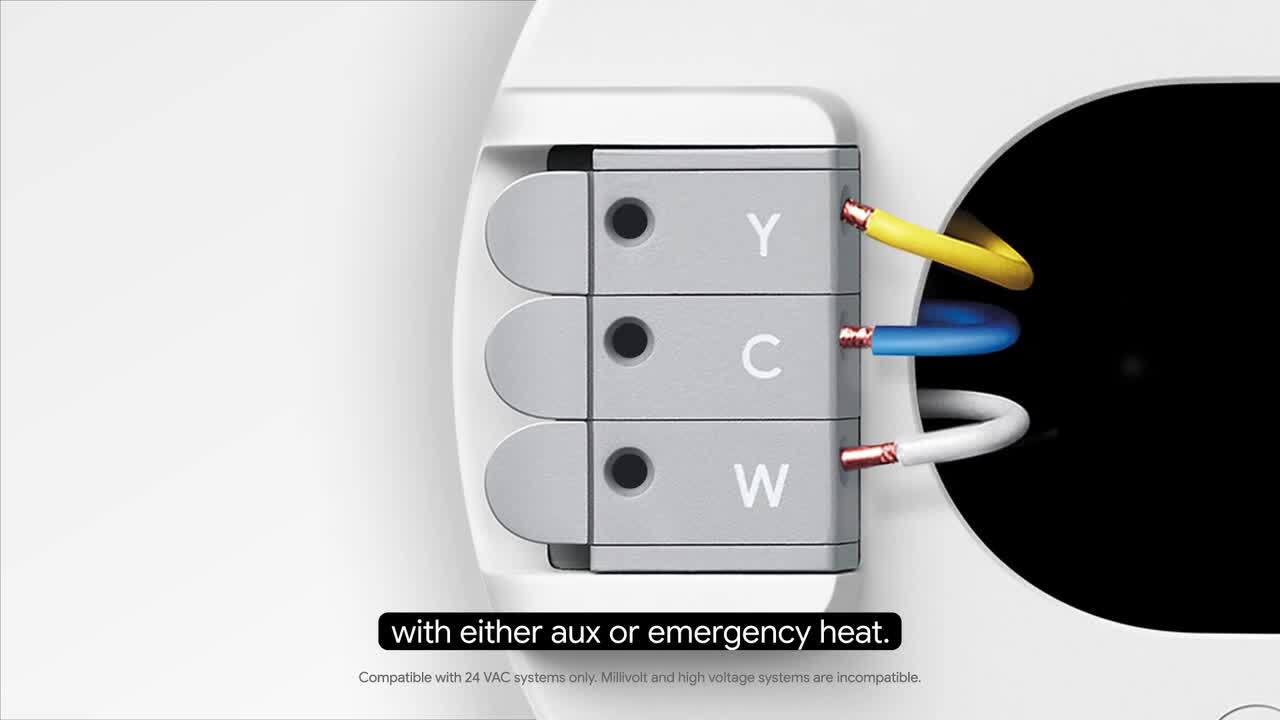
The C-wire provides constant power to the thermostat. Check if your current wiring has a C-wire. It may be labeled “C” or “Common.” No C-wire means you will need the Nest Power Connector. Knowing this helps plan your installation correctly.
Installing The Nest Power Connector
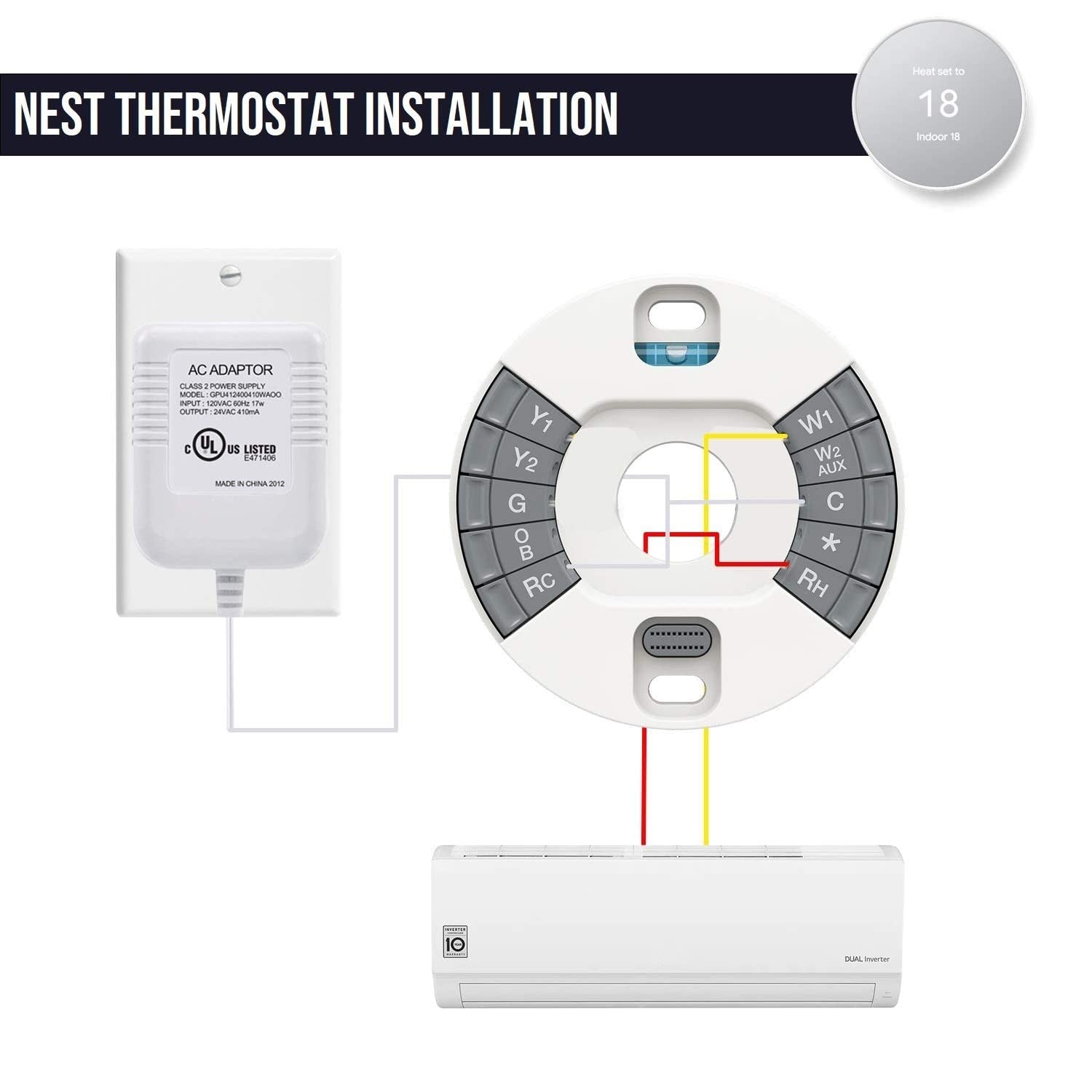
Installing the Nest Power Connector is a simple way to ensure your thermostat stays powered. This device helps if your HVAC system does not provide enough power through the usual wires. Follow these steps carefully to connect and secure the Nest Power Connector properly. A good installation keeps your thermostat running smoothly and avoids power problems.
Step-by-step Wiring Guide
First, turn off the power to your HVAC system at the breaker. Remove your old thermostat cover to see the wiring. Identify the wires connected to the R, W, Y, and G terminals. Disconnect these wires carefully from the thermostat base. Attach each wire to the matching terminal on the Nest Power Connector. Use a small screwdriver to tighten each wire securely. Double-check that no wires touch each other or the device edges. After wiring, mount the Nest Power Connector in a safe spot near your furnace or air handler.
Connecting To Hvac System
Locate the control board inside your HVAC unit. Find the same terminals used for your thermostat wires. Connect the wires from the Nest Power Connector to the matching terminals on this board. The wires must fit tightly to avoid loose connections. Confirm that all connections match the wiring guide provided by Nest. Turn the power back on briefly to test if the connector powers the thermostat. Switch off the power again before finishing the installation.
Securing The Connector
Place the Nest Power Connector on a stable surface inside the HVAC unit. Use screws or adhesive strips provided in the package to fix it in place. Make sure it does not block any vents or moving parts. Organize the wires neatly to prevent damage or interference. Close the HVAC panel securely after installation. Restore power to the system and check the thermostat’s display. A steady power supply means the connector is installed correctly.
Setting Up Your Nest Thermostat
Setting up your Nest Thermostat is a simple process that brings smart control to your home’s heating and cooling system. This guide will walk you through the key steps to get your thermostat up and running quickly. Follow along to enjoy comfortable temperatures and energy savings.
Powering On
Start by connecting the Nest Power Connector to your existing wiring. This ensures your thermostat gets the right power supply. Once connected, press the Nest display to turn it on. Wait a few moments while the device boots up. You will see the Nest logo appear, signaling it is ready for the next step.
Configuring Settings
Use the Nest’s touchscreen to select your language and connect to Wi-Fi. Enter basic information like your home address and preferred temperature units. The thermostat will ask about your heating and cooling system type. Follow the on-screen instructions carefully to match your setup. This step helps Nest provide accurate temperature control and energy reports.
Testing The System
After setup, test your heating and cooling functions. Adjust the temperature up and down to check if the system responds correctly. Listen for the furnace or air conditioner to start. If the system works smoothly, your Nest Thermostat is ready to help manage your home’s climate. If not, recheck wiring connections or consult the Nest support guide.
Troubleshooting Common Issues
Troubleshooting common issues with the Nest Power Connector helps keep your thermostat working smoothly. Problems with power can cause the thermostat to shut down or act strangely. Understanding how to fix these problems saves time and frustration.
Many issues come from simple wiring or power supply errors. Checking these parts first often solves the problem. Let’s explore some frequent troubles and easy fixes.
Power Connector Not Working
Check if the power connector is properly plugged in. Loose connections stop power flow. Make sure wires are tight and in the right terminals. Look for signs of damage on the connector. Replace it if it looks worn or broken. Use a voltage tester to confirm power is reaching the connector.
Thermostat Losing Power
Power loss often means the connector or wiring is faulty. Test the circuit breaker to see if it tripped. Reset the breaker if needed. Inspect the HVAC control board for damage. Dirty or corroded contacts can cut power. Clean contacts carefully with a soft brush. If the problem repeats, consider upgrading the power connector.
Error Messages And Fixes
The Nest thermostat shows error messages for power issues. One common error is “No Power to Heat/Cool.” Check the wiring and power source first. Restart the thermostat to clear minor glitches. Update the thermostat software for better performance. Persistent errors may need professional help. Keep the device dry and away from heat sources to avoid errors.
Maintaining Your Power Connector
Maintaining your Nest Power Connector is key for steady thermostat performance. Proper care helps avoid power issues and keeps your system running smoothly. Small checks and timely actions save you from costly repairs and discomfort.
Regular Inspections
Check the power connector every few months. Look for loose wires or signs of wear. Make sure connections are tight and clean. Dust or dirt can block signals. Use a soft cloth to wipe it gently. Keep the area around the connector dry.
When To Replace
Replace the power connector if you notice flickering thermostat display. Burning smells or scorch marks are signs of damage. If the connector feels hot, switch it off and get a new one. Frequent system resets may also mean a faulty connector.
Tips For Longevity
Keep the thermostat away from moisture and heat sources. Avoid pulling on wires when adjusting or cleaning. Use surge protectors to prevent electrical spikes. Regularly update your thermostat software for best results. Careful handling extends the life of your power connector.
Credit: www.homedepot.com
Frequently Asked Questions
What Is A Nest Power Connector For Thermostat?
A Nest Power Connector supplies consistent power to Nest thermostats. It ensures stable operation without common wiring issues. This accessory is useful when your HVAC system lacks a dedicated C-wire. It prevents power-related problems like thermostat rebooting or battery draining.
Why Do I Need A Nest Power Connector?
You need a Nest Power Connector if your thermostat lacks a C-wire. It provides continuous power to maintain smart thermostat functions. This connector simplifies installation and avoids costly HVAC wiring upgrades. It improves device reliability and performance.
Can Nest Power Connector Work With Any Hvac System?
Yes, the Nest Power Connector is compatible with most HVAC systems. It works with systems lacking a common wire. However, it is best to check Nest’s compatibility guide before installation. Proper setup ensures optimal thermostat functionality and power stability.
How Do I Install A Nest Power Connector?
Installation involves connecting the power connector to your HVAC control board. Follow Nest’s detailed instructions or hire a professional installer. It typically requires removing the thermostat and wiring the connector properly. Correct installation guarantees consistent power and prevents errors.
Conclusion
Nest Power Connector helps your thermostat get steady power. It keeps your system running without interruptions. Installing it is simple and saves you time. This small part makes a big difference in comfort. Choosing the right connector avoids common heating and cooling issues.
Your thermostat works better and lasts longer. Enjoy a cozy home with fewer worries. Remember, a good connection means smooth temperature control. Keep your system healthy with the Nest Power Connector. Easy and effective for better home comfort.


