
Can Nest Thermostat Replace Heating And Air Conditioning? Ultimate Guide

Are you considering the Nest Thermostat for your home? The Nest Thermostat is a smart device designed to control heating and cooling efficiently. Many homeowners wonder if the Nest Thermostat can really replace their traditional HVAC system and save on energy costs. This guide will explain how the Nest Thermostat works, its benefits, and whether it’s the right choice for your home.
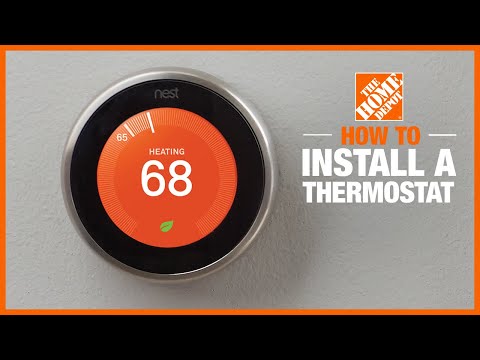
Credit: www.homedepot.com
How the Nest Thermostat Works
The Nest Thermostat is more than just a regular thermostat. It uses smart technology to control your home’s heating and cooling systems. This device helps save energy and keeps your home comfortable. Understanding how it works can help you see its benefits.
Smart Temperature Control With the Nest Thermostat
The Nest Thermostat adjusts the temperature automatically. It uses sensors to detect the current room temperature. It turns heating or cooling on or off to keep the right temperature. This control helps reduce energy waste and keeps your home cozy.
Learning Your Schedule on the Nest Thermostat
The thermostat learns your daily routine over time. It remembers when you wake up, leave, and return home. Then, it changes the temperature based on your schedule. This means it heats or cools only when needed, saving energy and money.
Remote Access Features on the Nest Thermostat
You can control the Nest Thermostat from your phone or computer. This remote access lets you change settings anytime, anywhere. It is helpful if you want to adjust the temperature before you arrive home. This feature adds convenience and control.
Nest Thermostat Compatibility With HVAC Systems
The Nest Thermostat works with many heating and cooling systems. It can control your home’s temperature smartly. But it does not work with every HVAC setup. Knowing what systems it supports helps you decide if it fits your home.
Check your current heating and cooling system before buying. Compatibility ensures the thermostat controls your HVAC correctly. It also helps avoid installation problems and extra costs.
Heating Systems Compatible With the Nest Thermostat
Nest Thermostat supports several heating types. It works with gas, electric, and oil furnaces. You can use it with heat pumps too. Also, it supports radiant and baseboard heaters. Some systems need a common wire (C-wire) for power. Without this wire, the thermostat might not work properly.
Cooling Systems Supported by the Nest Thermostat
The thermostat supports standard air conditioners. It works with central AC units and heat pumps. It can control single-stage and multi-stage cooling. This means it can manage simple and complex systems. Nest adjusts cooling to save energy and keep you comfortable.
Nest Thermostat System Requirements
Your HVAC system must have low-voltage wiring (24V). The Nest Thermostat does not support high-voltage systems. It needs a common wire to keep power steady. Some homes need an adapter if they lack a C-wire. The thermostat supports up to 3 heating and 2 cooling stages. It also works with humidifiers and dehumidifiers in some cases.
Nest Thermostat Installation Process
The installation process of a Nest Thermostat is straightforward but requires some attention. Proper setup ensures your heating and air conditioning work well with the device. Understanding the steps helps decide whether to install it yourself or hire a professional.
This section covers the DIY steps, benefits of professional help, and common issues during installation.
DIY Nest Thermostat Installation Steps
First, turn off power to your heating and cooling system. Remove the old thermostat carefully. Take a clear photo of the wiring to use as a guide. Connect the Nest Thermostat wires to the matching terminals on the base. Attach the base to the wall with screws. Snap the Nest display onto the base. Turn the power back on and follow the on-screen setup instructions.
Use the Nest app for further setup and connection to Wi-Fi. The whole process usually takes about 30 to 45 minutes.
Professional Installation Benefits
Professionals ensure the thermostat connects correctly to your HVAC system. They check for compatibility and proper wiring. Experts prevent damage to your system or the thermostat. Installation is faster and comes with a warranty. They also help with app setup and troubleshooting. This option suits those unsure about electrical work.
Common Installation Issues
Wrong wiring can cause the Nest Thermostat to not power on. Some older systems may lack the necessary wires. Wi-Fi connection problems can prevent remote control features. Incompatible HVAC systems may not work properly with the Nest. Power interruptions during installation can cause errors. Understanding these issues helps avoid installation delays.
Energy Savings Potential
The energy savings potential of the Nest Thermostat is a key reason many people consider it. It helps reduce heating and cooling costs by using smart technology. The device learns your schedule and adjusts temperatures automatically.
Saving energy also means less environmental impact. By using the Nest Thermostat, homes can use less power and still stay comfortable. This section explains how the Nest saves energy, shares user experiences, and compares it to traditional thermostats.
How Nest Saves Energy
The Nest Thermostat uses sensors and Wi-Fi to learn your habits. It changes the temperature when you are away or asleep. This avoids heating or cooling an empty home.
The device adjusts settings based on weather changes. It can lower heating on warm days and raise cooling on cold nights. This smart adjustment cuts energy waste.
User Reports And Case Studies
Many users report lower energy bills after installing Nest. Some say savings reach up to 15% to 20%. These savings add up over months.
Case studies show that homes with Nest often use less energy than before. Some families notice comfort improves alongside savings. Real stories show the device’s impact on daily life.
Comparing With Traditional Thermostats
Traditional thermostats need manual changes and often run all day. They lack sensors and smart controls. This can waste energy and increase bills.
The Nest Thermostat makes changes automatically. It adapts to your routine without needing constant input. This leads to better energy management than old models.
Limitations Of Nest Thermostat
The Nest Thermostat offers smart control for your home temperature. It helps save energy and adds convenience. Yet, it has limits. It cannot fully replace your heating and air conditioning system.
Understanding these limits helps you decide if the Nest Thermostat fits your needs. Let’s explore when it might not work as a full HVAC replacement.
When It Can’t Replace Hvac
The Nest Thermostat controls temperature but does not create heat or cool air. It works with your existing HVAC system. Without a heating or cooling system, the Nest cannot keep your home comfortable. It only manages systems that already exist.
Issues With Older Systems
Older HVAC systems may not be compatible with Nest Thermostat. Some use outdated wiring or technology. This can cause installation problems or poor performance. Nest works best with modern, standard HVAC setups. Check your system before buying to avoid issues.
Functionality Without Hvac Upgrade
Without upgrading HVAC, Nest cannot improve system efficiency much. It can optimize use but won’t fix worn-out parts. Old systems may waste energy despite smart controls. Nest helps save energy but does not replace needed repairs or upgrades.

Credit: superiorhomesupplies.com
Integration With Other Smart Devices
The Nest Thermostat works well with many smart devices. This makes it easier to control your home’s heating and cooling. Connecting the thermostat with other gadgets helps save energy and adds comfort. It fits nicely in a smart home setup.
Voice Assistants Compatibility
The Nest Thermostat supports popular voice assistants like Google Assistant and Amazon Alexa. You can change the temperature using simple voice commands. This allows hands-free control from anywhere in your home. It also supports Apple HomeKit through third-party apps, expanding voice control options.
Smart Home Ecosystem
The Nest Thermostat fits into many smart home systems. It works with devices such as smart lights, cameras, and sensors. This helps create a connected home where devices share information. For example, your thermostat can adjust when a window sensor detects an open window.
Automation Possibilities
Automation makes the Nest Thermostat smarter. It can learn your routine and adjust temperatures automatically. You can set schedules based on your daily habits. It also reacts to other smart devices, like turning off heating when you leave the house.
Cost Considerations
Cost is a big part of deciding if a Nest Thermostat can replace your heating and air conditioning system. Knowing the upfront and ongoing expenses helps you plan better. This section breaks down what you will spend and save over time.
Nest Thermostat Pricing
The Nest Thermostat price varies by model. The basic version costs less, while advanced models are pricier. On average, expect to pay between $130 and $250. The price includes the thermostat but not installation or extra parts.
Installation Costs
Installation may require a professional. Some homes need special wiring or adapters. Installation fees range from $70 to $150. Doing it yourself can save money but may be tricky for beginners. Proper setup ensures the thermostat works well with your system.
Long-term Savings
The Nest Thermostat helps cut energy bills. It learns your schedule and adjusts temperatures automatically. This lowers heating and cooling costs without losing comfort. Savings depend on your habits and home size. Over time, these savings can cover the initial price and installation.
User Experience And Feedback
User experience shapes the value of the Nest Thermostat as a heating and cooling control. Feedback from users reveals how well the device fits daily life. It highlights strengths and areas needing improvement. Understanding this feedback helps potential buyers make smart choices.
Ease Of Use
The thermostat has a simple design. Many users find the touchscreen easy to navigate. Setting schedules and adjusting temperature is quick. The device connects smoothly to smartphones through an app. This allows remote control from anywhere. Installation guides are clear, helping most users install it themselves. The thermostat also learns user habits to adjust settings automatically.
Customer Reviews
Many customers praise the Nest for saving energy costs. They notice better temperature control and comfort. Users like the modern look and small size. The ability to control the thermostat remotely gets positive mentions. People appreciate the alerts about extreme temperatures. Some users also value the integration with smart home systems. Positive reviews often focus on energy savings and convenience.
Common Complaints
Some users report issues with Wi-Fi connection dropping. This affects remote control and updates. A few mention the learning feature takes time to adjust. Others find the initial setup confusing without clear tech knowledge. Some users want more control over scheduling options. Occasional software bugs cause frustration. These complaints highlight areas where Nest could improve user satisfaction.

Credit: rightairsolutions.com
Frequently Asked Questions
Can Fully Replace Heating And Air Conditioning?
No, cannot replace HVAC systems. It controls heating and cooling but relies on existing equipment to function.
How Does Improving HVAC Efficiency?
Nest optimizes HVAC use by learning your schedule. It reduces energy waste and lowers utility bills effectively.
Is Compatible With All Hvac Systems?
Nest works with most HVAC systems, but not all. Compatibility depends on your system’s wiring and type.
Can Control Temperature Remotely?
Yes, Nest allows remote temperature control via its app. You can adjust settings from anywhere using a smartphone.
Conclusion
offers smart control but cannot fully replace heating or air systems. It works with your existing equipment to save energy and add convenience. You still need a heater or air conditioner to change the room temperature. Think of Nest as a helper, not a full system.
It improves comfort and lowers bills, but does not produce heat or cool air. Choose Nest for better control, not for system replacement. Simple and smart, yet not a full solution.


