
Good Digital Camera for Beginners: Top Picks for Stunning Photos

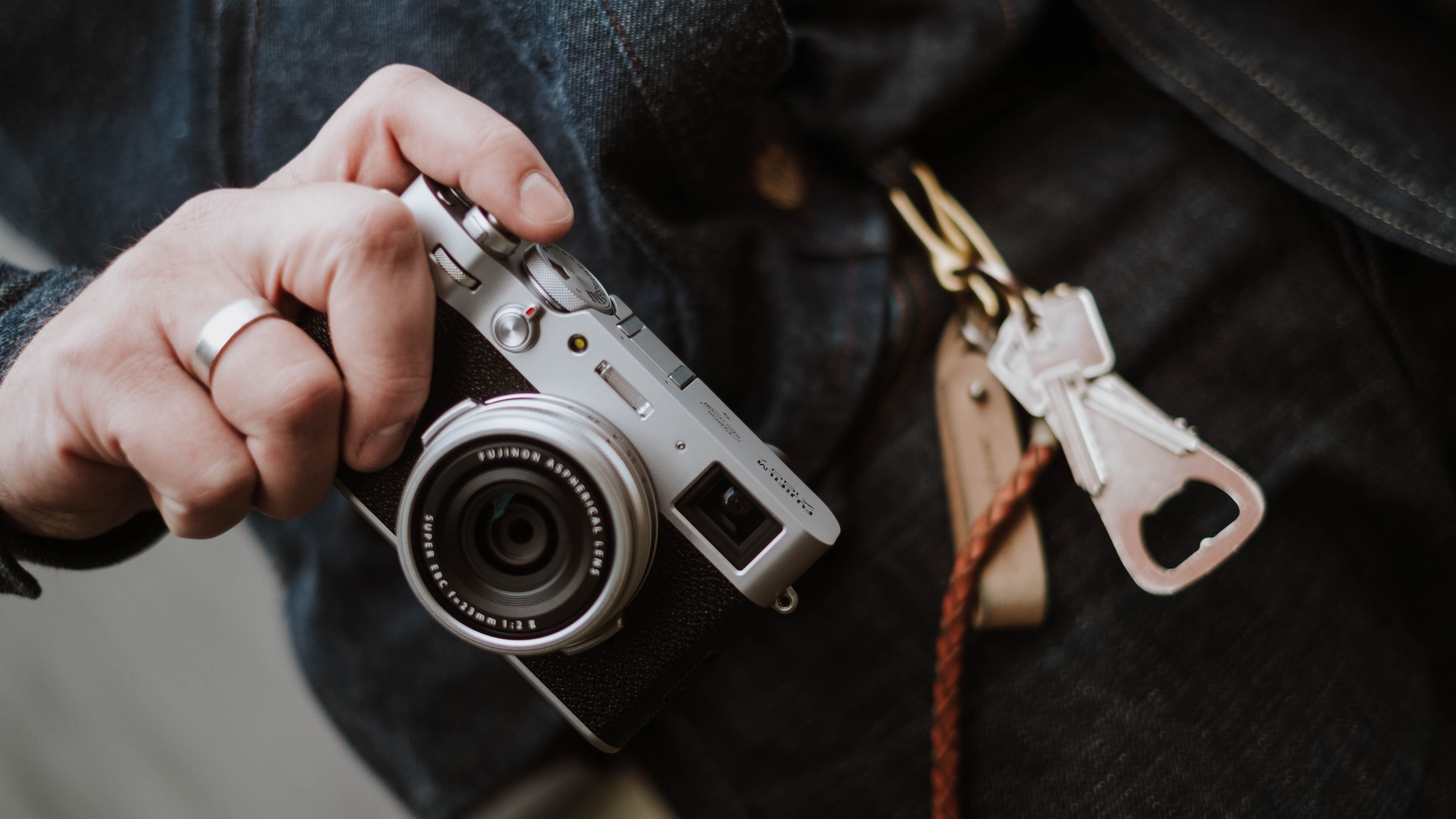
Best digital cameras for beginners make learning photography simple and enjoyable. Choosing the right digital camera can feel overwhelming when you’re just starting, but the right beginner-friendly model helps you capture stunning photos without confusing settings.
Choosing the right digital camera can feel overwhelming, especially when you’re just starting. You want something easy to use, but powerful enough to capture stunning photos.
What if you could find a camera that makes every shot look professional, without confusing settings? You’ll discover the best digital cameras designed specifically for beginners like you. By the end, you’ll feel confident picking a camera that fits your style and helps you create amazing memories.
Keep reading—your perfect camera is closer than you think.
Credit: hydrogeology.mn
How to Choose the Best Digital Camera for Beginners
Choosing the right camera is the first step for beginners. It helps to enjoy photography and learn fast. A camera with simple controls and good image quality suits new users best.
Consider what type of photos you want to take. Also, think about your budget and how much you want to carry your camera. These points guide you to the best choice.
Key Features in the Best Digital Cameras for Beginners
Look for easy-to-use controls and clear menus. Automatic modes help take good pictures without much knowledge. A camera with image stabilization reduces blur from shaky hands. A good zoom range lets you capture close and far objects. Compact size makes the camera easy to carry everywhere.
Types of Digital Cameras Suitable for Beginners
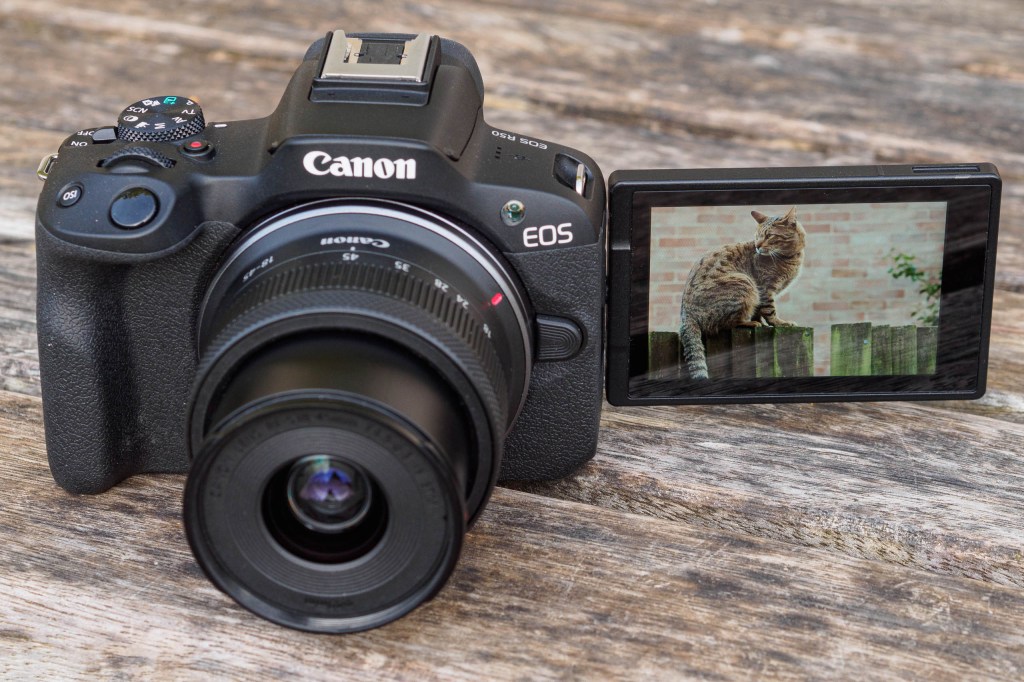
Point-and-shoot cameras are simple and small. They suit casual photography and travel. Mirrorless cameras offer better image quality and more lens options. They are still light and easy to handle. DSLR cameras provide high quality and many features. They can be heavier and more complex for beginners.
For a detailed comparison, see our article on Mirrorless vs DSLR Cameras.
Budget Tips for Buying Digital Cameras for Beginners
Set a budget before buying a camera. Beginner cameras can cost from low to mid-range prices. Avoid very cheap cameras with poor quality. Consider buying used or older models to save money. Remember to include the cost of accessories like memory cards and cases.
Credit: amateurphotographer.com
Best Digital Camera Models for Beginners
Choosing the right camera is key to starting photography. Beginners need cameras that are easy to use and offer good features. Here are some top camera models for starters. These cameras help you learn and take better photos quickly.
Best Compact Digital Cameras for Beginners
Compact cameras are small and easy to carry. They work well for everyday photos and travel. Models like the Canon PowerShot G9 X Mark II and Sony RX100 are great choices. These cameras have simple controls and good image quality. They fit in your pocket and start fast.
Best Mirrorless Digital Cameras for Beginners
Mirrorless cameras are lightweight and offer great photo quality. They have bigger sensors than compact cameras. The Sony Alpha a6000 and Fujifilm X-T200 are good starter models. These cameras give sharp images and fast autofocus. They also allow you to change lenses as you grow.
Best DSLR Digital Cameras for Beginners
DSLR cameras are larger but very versatile. They offer excellent image quality and many settings. The Nikon D3500 and Canon EOS Rebel T7 are popular for beginners. These cameras have easy modes and strong battery life. They also give room to explore different lenses and accessories.
Essential Accessories for Digital Cameras for Beginners
Choosing the right camera is just the first step for beginners. Essential accessories help improve your photography experience. These tools make shooting easier and better. They help you capture clear, sharp images and store them safely. Understanding these accessories guides you to build a good camera kit.
Lenses for Beginner Digital Cameras
Lenses change how your camera sees the world. A standard zoom lens covers many situations. Wide-angle lenses capture landscapes and large groups. Telephoto lenses bring far objects closer. Macro lenses show tiny details up close. Beginners should start with a versatile lens. Experiment with different lenses to find your style.
Tripods And Stabilizers
Tripods keep your camera steady for sharp photos. They are vital for low light and long exposures. Small, portable tripods fit easily in bags. Stabilizers help reduce camera shake when moving. They are perfect for video or walking shots. Using a tripod or stabilizer improves photo quality greatly.
Memory Cards And Storage
Memory cards store your photos and videos. Choose cards with enough space for many files. Faster cards help your camera save pictures quickly. Always carry extra memory cards for long shoots. Backup your images on external drives or cloud storage. Safe storage protects your work from loss or damage.

Credit: www.theschoolofphotography.com
Tips For Capturing Stunning Photos
Taking great photos starts with simple tips. Beginners can improve their shots by focusing on key areas. Understanding composition, lighting, and camera settings helps capture stunning images. These basics make photos clear, bright, and interesting.
Practice these tips often. Each step builds your skill and confidence. Soon, your pictures will look sharper and more professional.
Basic Composition Techniques
Place your main subject off-center. This creates a balanced photo. Use the rule of thirds by imagining a grid on the frame. Position important elements along these lines or where they cross. Keep backgrounds simple to avoid distractions. Use leading lines to guide the viewer’s eyes. Look for shapes and patterns to add interest.
Lighting Tips For Beginners
Shoot in soft, natural light for the best results. Early morning and late afternoon offer gentle light. Avoid harsh midday sun that creates strong shadows. Use shadows and light to add depth. Face your subject toward the light source. This brightens faces and details. Indoor photos benefit from window light or lamps. Avoid using the camera flash directly; it can cause harsh spots.
Using Camera Settings Effectively
Learn to adjust your camera’s settings. Start with automatic mode, then try manual controls. Change the aperture to control depth of field. A low f-number blurs the background nicely. Adjust shutter speed to freeze motion or create blur. Increase ISO in low light but keep it low for clear images. Focus carefully on your subject. Use the camera’s focus points to help. Review your photos and adjust settings as needed.
Editing And Sharing Your Photos
Editing and sharing photos is a fun part of using a digital camera. It helps you make your images look better and share your work with others. Even beginners can learn easy ways to edit photos and show them online.
Popular Editing Software
Many photo editing programs are easy to use for beginners. Adobe Lightroom and Photoshop are popular choices. Free options like GIMP and Paint.NET also work well. These tools let you adjust brightness, color, and sharpness. You can crop photos and remove small mistakes too.
Simple Editing Tricks
Start with small changes to improve your photos. Brighten dark pictures and increase contrast for more detail. Use cropping to focus on the subject. Try adjusting the color balance to make pictures look natural. Avoid heavy filters that hide the original photo.
Sharing Platforms For Photographers
Sharing photos online helps you get feedback and connect with others. Instagram and Facebook are common platforms. Flickr and 500px focus on photography communities. You can also create a personal website or blog. Always use good titles and descriptions for your photos.
Frequently Asked Questions
What Features Should A Beginner Digital Camera Have?
A beginner digital camera should have easy-to-use controls, automatic modes, good image quality, and reliable autofocus. Look for lightweight models with built-in tutorials and Wi-Fi for sharing photos. These features help beginners learn photography without feeling overwhelmed.
How Much Should I Spend On A Beginner Camera?
Beginner cameras usually cost between $300 and $700. This range balances quality and affordability. Avoid very cheap models with poor image quality or expensive ones with complex features. Choose a camera offering good value and essential functions for learning.
Is A Dslr Or Mirrorless Better For Beginners?
Mirrorless cameras are lighter and more compact, ideal for beginners. DSLRs offer better battery life and optical viewfinders. Both provide excellent image quality. Choose based on personal preference, budget, and whether you prioritize portability or traditional controls.
Can I Use Smartphone Photography Instead Of A Digital Camera?
Smartphones are convenient but have limited zoom and sensor size. Digital cameras provide better image quality, manual controls, and lens options. For serious learning and creative photography, a beginner digital camera is more suitable than a smartphone.
Conclusion
Choosing a good digital camera helps beginners enjoy photography. Start with easy controls and clear features. Practice often to improve your skills. A simple camera lets you focus on learning. Remember, patience matters more than the latest model. Take your time and enjoy each shot.
Soon, you will capture great moments with confidence. Keep exploring and have fun with your new camera.
Watch a beginner-friendly guide here: Beginner Camera Tips


