
Fuji X10 Digital Camera: Ultimate Guide to Stunning Photos

Are you looking for a digital camera that fits perfectly in your hand and delivers stunning photos every time? The Fuji X10 Digital Camera might be exactly what you need.
Whether you’re capturing everyday moments or exploring new creative ideas, this camera offers features designed to make your photography easier and more enjoyable. Keep reading to discover why the Fuji X10 could be the perfect companion for your next shot.
Check out our beginner camera buying guide to learn how to pick the right camera for your needs.
Fuji X10 Digital Camera Features Overview
The Fuji X10 is a compact digital camera known for its strong features. It balances classic design with modern technology. This camera suits both casual users and photography enthusiasts. The following sections break down its main features for better understanding.
Design and Build Quality of Fuji X10 Digital Camera
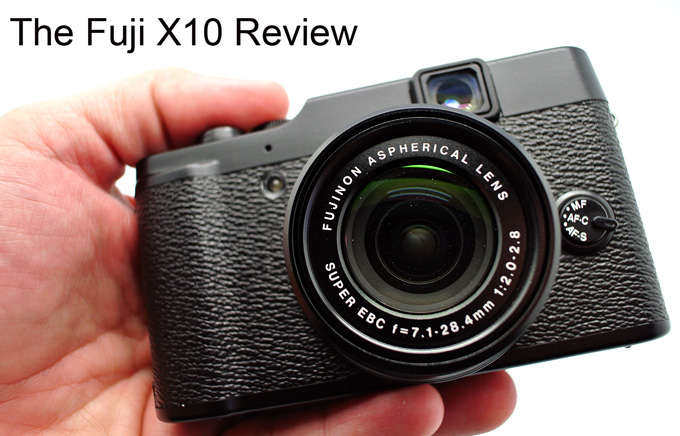
The Fuji X10 has a solid and classic look. It feels sturdy in the hand. The camera body is made from metal, which adds durability. Controls are easy to reach and use. Its compact size makes it easy to carry.
Fuji X10 Camera Lens and Zoom Capabilities
The camera has a fixed 28-112mm lens. This covers wide-angle to telephoto shots. The aperture ranges from f/2.0 to f/2.8, good for low light. Zooming is smooth and responsive. The lens produces sharp, clear images.
Fuji X10 Digital Camera Sensor and Image Quality
The Fuji X10 uses a 2/3 inch EXR CMOS sensor. It captures detailed images with good color. Image noise stays low even in dim light. The camera also offers a RAW image format for editing. Photos have strong contrast and natural tones.
Fuji X10 Camera Viewfinder and LCD Display
The camera has an electronic viewfinder for clear framing. It shows exposure and focus information. The 2.8-inch LCD screen is bright and sharp. The screen tilts for shooting at different angles. Both display options help compose shots easily.
Fuji X10 Digital Camera Battery Life and Storage Options
The Fuji X10 uses a rechargeable lithium-ion battery. It can take about 300 shots per charge. The camera supports SD, SDHC, and SDXC cards. Storage capacity depends on the card size. Battery and storage options suit everyday photography needs.
Fuji X10 Digital Camera Setup Guide
The Fuji X10 is a compact digital camera with many features. Setting it up correctly helps you take better photos. It also makes the camera easier to use. This guide covers the basic steps to get started with your Fuji X10.
Follow these tips to make your shooting experience smooth and fun. Spend a few minutes adjusting the settings to fit your style.
Fuji X10 Camera Aperture Settings for Photography
Start by inserting the battery and memory card. Turn on the camera using the power switch. Set the date and time on the screen. This helps organize your photos later. Choose your preferred language in the menu. Check the image quality and size settings. Select RAW or JPEG depending on your needs. Adjust the ISO to suit your shooting conditions.
Customizing Controls on Fuji X10 Digital Camera
The Fuji X10 offers control customization for better handling. Assign your favorite functions to buttons for quick access. Change the focus mode to manual or auto, based on your preference. Set the exposure compensation dial for faster light adjustments. Adjust the aperture and shutter speed dials for creative control. Customizing these controls helps you work faster and smarter.
Menu Navigation Tips for Fuji X10 Camera
Use the directional pad to move through the menu options. Press the OK button to select settings. Explore the shooting menu to find different photo modes. Use the playback menu to view and delete images. Remember to exit menus by pressing the menu button again. Keep the menu simple by only changing what you need. This prevents confusion during quick shoots.
Fuji X10 Digital Camera Exposure Settings Explained
Exposure controls how light or dark your photos appear. The Fuji X10 offers simple tools to adjust exposure. Understanding these tools helps capture clear, bright images in different scenes. Let’s explore how to use aperture, shutter speed, ISO, and exposure compensation.
Aperture Settings
Aperture controls how much light enters the camera lens. The Fuji X10 has a lens with adjustable aperture from f/2.0 to f/2.8. A lower f-number means more lightand a blurry background. A higher f-number keeps more of the photo sharp. Use a wide aperture for portraits and low light. Choose a smaller aperture for landscapes and bright scenes.
Shutter Speed Options on Fuji X10 Digital Camera
Shutter speed controls how long the camera sensor is exposed to light. The Fuji X10 offers speeds from 1/4000 second to 30 seconds. Fast shutter speeds freeze motion. Slow speeds create blur effects or work in low light. Use fast speeds for sports or moving subjects. Use slow speeds for night shots or creative effects.
ISO Sensitivity Range of Fuji X10 Camera
ISO controls the camera’s sensitivity to light. The Fuji X10 ranges from ISO 100 to ISO 12800. A low ISO gives clear, sharp images with little noise. A high ISO helps in dark places but adds grain. Keep ISO low in bright light. Raise ISO in dim places for better exposure.
Exposure Compensation on Fuji X10 Digital Camera
Exposure compensation adjusts the brightness without changing other settings. The Fuji X10 lets you increase or decrease exposure easily. Use positive values to brighten dark photos. Use negative values to darken bright photos. This tool helps fix tricky lighting quickly.

Credit: www.amazon.com
Fuji X10 Digital Camera Focusing Techniques
Focusing is a key skill for getting sharp images with the Fuji X10 Digital Camera. This camera offers several ways to focus. Each method helps you take clear pictures in different situations. Understanding these focusing techniques will improve your photography.
Autofocus Modes of Fuji X10 Camera
The Fuji X10 has multiple autofocus modes. Single AF locks focus on one subject. Continuous AF tracks moving subjects. Zone AF lets you pick an area to focus on. These modes help capture sharp images quickly. Choose the mode based on your subject’s movement.
Manual Focus Tips
Manual focus gives you full control over sharpness. Use the zoom feature to enlarge the view. Adjust the focus ring slowly for precision. It works well in low light or tricky scenes. Practice helps improve your manual focusing skills.
Using Focus Peaking
Focus peaking highlights sharp edges on the screen. It shows a colored outline around focused areas. This feature helps find focus easily in manual mode. Turn it on to see where your image is sharp. It saves time and reduces blurry photos.
Creative Shooting Modes
The Fuji X10 digital camera offers several creative shooting modes. These modes help you control how your photos look. You can choose settings based on your experience and what you want to capture. Each mode lets you try different techniques easily. This makes photography fun and flexible.
Explore the key shooting modes below to see how they work.
Program And Aperture Priority
Program mode sets the camera to pick the best shutter speed and aperture. You get quick shots without worrying about settings. Aperture Priority mode lets you choose the lens opening size. This controls the background blur. The camera adjusts shutter speed to match. Great for portraits and close-up shots.
Shutter Priority Mode
Shutter Priority lets you pick how fast the shutter moves. Use a fast shutter to freeze motion. A slow shutter creates blur for moving subjects. The camera changes aperture to keep light balanced. This mode suits sports and action photos well.
Manual Mode
Manual mode gives full control of shutter speed and aperture. You set both values yourself. It works best in tricky light or for creative effects. This mode needs practice but offers the most control. Perfect for photographers who want to experiment.
Scene Modes Explained
Scene modes are presets for specific situations. Choose from options like portrait, landscape, or night. The camera adjusts settings to fit the scene. It simplifies shooting for beginners. Just select the scene, and the camera does the rest.
Credit: www.stevehuffphoto.com
Enhancing Image Quality
The Fuji X10 digital camera offers many tools to improve photo quality. Understanding these features helps create sharper and clearer images. Adjusting settings carefully lets you capture moments exactly as you see them. This section explains key tips to enhance your photos with the Fuji X10.
Raw Vs Jpeg
RAW files keep all image data from the sensor. They allow more control during editing. JPEG files are smaller and ready to use. But they lose some details after shooting. Shooting in RAW helps fix brightness and color later. Choose RAW for better editing options. Use JPEG for quick sharing and small files.
White Balance Settings
White balance controls the color tone in photos. It removes unwanted color casts from light sources. The Fuji X10 has presets for daylight, cloudy, and tungsten lights. Set white balance to match your scene’s light. This keeps colors natural and true to life. Custom white balance is best for tricky lighting conditions.
Using Film Simulations
Film simulations mimic classic film looks in your photos. The Fuji X10 offers many styles like Provia and Velvia. These add mood and character without extra editing. Choose a simulation that fits your scene’s feel. Experiment with different styles for creative results. Film simulations give your images a unique touch.
Noise Reduction
Noise appears as grain or speckles in low light photos. The Fuji X10 has noise reduction settings to clean images. Higher noise reduction smooths out grain but may lose details. Lower noise reduction keeps details but shows more grain. Balance noise reduction based on your photo’s lighting. This keeps photos clear and sharp.
Composition Tips
Good composition makes photos more interesting and clear. The Fuji X10 digital camera helps you capture great shots, but knowing how to arrange your scene matters too. Here are simple tips to improve your photo composition.
Rule Of Thirds
Divide your image into nine equal parts with two vertical and two horizontal lines. Place important objects along these lines or at their intersections. This creates balance and draws attention to key points in your photo.
Leading Lines
Use natural lines to guide the viewer’s eyes through the picture. Roads, fences, or rivers work well. These lines add depth and make the scene feel more dynamic.
Framing And Perspective
Look for objects that can frame your subject, like windows or branches. Changing your shooting angle also changes the story your photo tells. Try shooting from low or high points for different views.
Using Light And Shadows
Light shapes the mood and details in photos. Soft light creates gentle tones, while strong light makes bold shadows. Use shadows to add texture and depth to your images.
Video Capabilities
The Fuji X10 digital camera offers solid video capabilities for casual shooters. It lets you capture smooth videos without complex controls. The camera is easy to use and fits well for day-to-day video recording. It supports various video settings to suit different needs and scenes.
Recording Settings
The Fuji X10 records video in 1080p Full HD resolution. It shoots at 24 frames per second, giving a natural look. You can choose between different quality modes to save space or get better detail. The camera also supports VGA resolution for longer recording times. It uses the MOV file format, which works well with most editors.
Audio Options
The camera has a built-in stereo microphone for clear sound capture. It reduces background noise to make voices clearer. You can also adjust audio levels manually for better control. There is no input for an external microphone, so audio is limited to the built-in mic. Still, the sound quality is good for casual videos.
Stabilization Features
The Fuji X10 includes optical image stabilization for video. It helps reduce blurriness caused by hand movement. This feature keeps videos steady during walking or handheld shooting. It works well in low light and slow motion scenes. The result is smooth, clear video footage without extra gear.
Accessories And Add-ons
The Fuji X10 digital camera offers a variety of accessories and add-ons. These tools help improve your photography experience. They make the camera more versatile and fun to use.
Choose the right accessories to suit your style and needs. Each accessory can enhance different aspects of your shooting.
External Flashes
External flashes boost your camera’s lighting power. They work better than the built-in flash. You get brighter and clearer pictures in low light. Some flashes allow for adjustable angles and intensity. This flexibility creates natural-looking photos. They also reduce harsh shadows and red-eye effects.
Tripods And Grips
Tripods provide steady support for your Fuji X10. They prevent blurry pictures caused by hand movement. Tripods are perfect for long exposure or group shots. Grips improve your hold on the camera. They make shooting more comfortable during long sessions. Some grips also have extra buttons for easier control.
Filters And Lens Hoods
Filters protect the lens and add creative effects. Polarizing filters reduce glare and improve colors. Neutral density filters help in bright conditions. Lens hoods block unwanted light to avoid lens flare. They also protect the lens from scratches and dust. Both filters and hoods keep your images sharp and clear.
Troubleshooting Common Issues
The Fuji X10 digital camera offers great photos but may face some common issues. Troubleshooting these problems can keep your camera working well. Here are simple ways to fix frequent troubles with the Fuji X10.
Focus Problems
Sometimes the camera may not focus properly. Clean the lens gently with a soft cloth. Check if the autofocus mode is set correctly. Try switching between manual and auto focus. Avoid using the camera in very low light. Restart the camera to reset the focus system. These steps often solve focus problems quickly.
Battery Drain Solutions
The battery might drain faster than expected. Lower the screen brightness to save power. Turn off Wi-Fi and other wireless features when not in use. Use the power-saving mode available in settings. Fully charge the battery before using the camera. Replace old batteries if they lose capacity. These tips help extend battery life during shoots.
Firmware Updates
Firmware updates improve camera performance and fix bugs. Visit the official Fuji website to check for updates. Download the latest firmware to your computer. Follow the instructions carefully to install the update. Do not turn off the camera during the update. Regular updates keep your Fuji X10 running smoothly.

Credit: www.dpreview.com
Frequently Asked Questions
What Are The Key Features Of The Fuji X10 Camera?
The Fuji X10 offers a 12MP sensor, 28-112mm zoom lens, and manual controls. It excels in low-light and provides RAW shooting for better image quality.
How Does Fuji X10 Perform In Low Light?
The Fuji X10 performs well in low light thanks to its fast f/2. 0 lens and good ISO range. It captures clear, sharp images with minimal noise.
Is The Fuji X10 Suitable For Beginners?
Yes, the Fuji X10 is user-friendly with intuitive controls. It offers full manual settings for learning photography basics and automatic modes for easy shooting.
What Image Formats Does Fuji X10 Support?
The Fuji X10 supports JPEG and RAW image formats. RAW allows for more flexibility in post-processing, while JPEG is ready for quick sharing.
Conclusion
The Fuji X10 digital camera offers solid features for everyday use. It fits well in your hand and takes clear pictures. Its zoom and manual controls give you creative options. Battery life lasts long enough for a day of shooting.
This camera suits beginners and casual photographers alike. A compact design makes it easy to carry anywhere. Overall, the Fuji X10 balances quality and simplicity nicely. A reliable choice for capturing memories without fuss.
Watch a detailed guide here: YouTube – Fuji X10 Review


